Belsize Village man and van hires for flats above shops
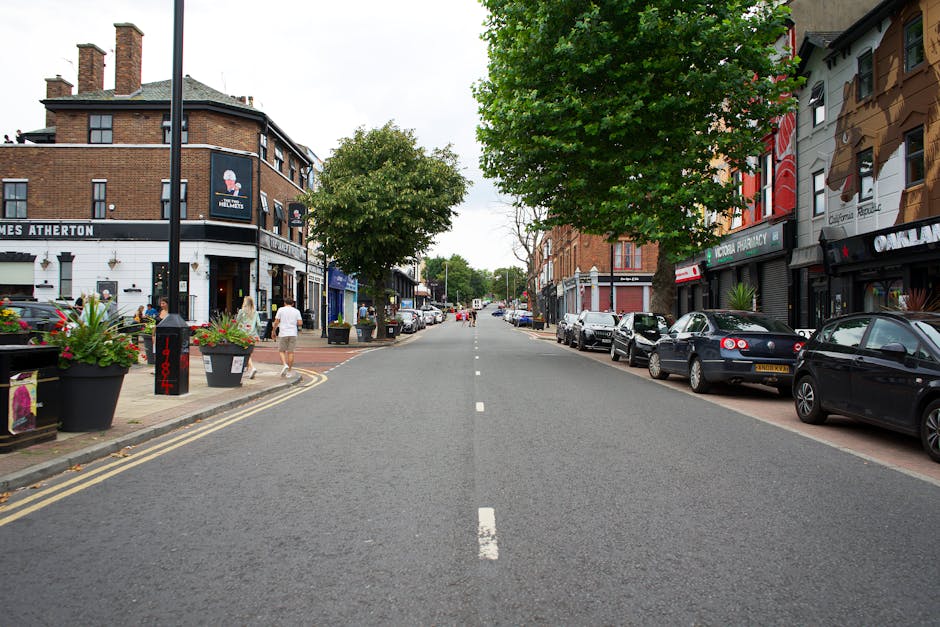
Moving into or out of a flat above a shop in Belsize Village can be a bit of a puzzle. The staircase is narrow, the parking is awkward, the doorway is never quite where you want it, and there's often a bus, a cyclist, or a delivery driver in the mix. That is exactly why Belsize Village man and van hires for flats above shops need a different approach from a standard house move. Done well, the job feels calm and controlled. Done badly, it becomes a slow shuffle of awkward boxes, scratched walls, and tired shoulders.
This guide breaks down how these moves work, what to expect, and how to choose a service that fits the realities of Belsize Village. You'll find practical advice on access, packing, timing, compliance, and the small details that make a big difference. If you're weighing up options, a service such as man and van support for compact local moves can be a sensible fit, especially when the move involves stairs, shared entrances, or tight loading space.
Let's be honest: flats above shops can test even the most organised mover. But with the right planning, it doesn't need to be stressful. Not even close.
Why Belsize Village man and van hires for flats above shops Matters
Flats above shops bring together two tricky moving conditions at once: residential furniture and commercial-style access. You may have a front door on a busy street, a shared corridor, a steep staircase, or a landing that seems designed with no thought for wardrobes. In a place like Belsize Village, where streets can be tight and parking can be limited, those challenges show up fast.
The real issue is not just the lifting. It's the whole sequence: where the van stops, how the route is cleared, how long the loading takes, and whether your belongings can move in one clean run or need several careful trips. A move that looks small on paper can take surprisingly long if the access is awkward. And if you've ever tried to turn a sofa halfway up a stairwell, you already know the feeling.
That's why a local, flexible service matters. A proper man and van team understands that flats above shops often need patience, good communication, and a van that can get in and out without creating unnecessary disruption. In many cases, it is the difference between "we managed it" and "that was oddly painless".
Expert summary: for flats above shops, the best move is usually the one that respects access first, volume second, and speed third. Rushing tends to create more work later. Simple as that.
How Belsize Village man and van hires for flats above shops Works
The service usually starts with a quick discussion about the items you need moved, the building layout, and the access conditions. For a flat above a shop, the mover will want to know about stairs, lifts, parking, street width, and whether there's a back entrance or loading area. This is not fussiness. It's what makes the day go smoothly.
Once the details are clear, the vehicle and crew are matched to the job. For smaller flat moves, a van and one or two movers may be enough. For bulkier items, better packing, or a longer carry, you may need a slightly larger setup. If you're unsure, flat removals is the kind of service that better fits apartment-style moves and can help when the access is a bit more involved than a standard house shift.
On moving day, the team usually protects the building route where possible, then loads items in an order that makes sense for unloading at the other end. Heavy pieces go in first, fragile items are secured, and the move is paced around the access realities rather than an idealised schedule. That matters more than people realise.
In practice, the job often includes a few non-negotiables:
- checking parking and stopping points before the van arrives
- planning stair carries for larger furniture
- wrapping or padding fragile items
- keeping hallways clear for residents and shop staff
- allowing a little breathing room for unexpected delays
That last one is worth underlining. Moves above shops rarely go exactly to the minute. Sometimes the issue is a delivery van outside. Sometimes it's a narrow turn. Sometimes the item is just a touch wider than expected. Happens all the time.
Key Benefits and Practical Advantages
The biggest advantage is flexibility. A man and van service can scale to the actual size of your move, which is useful when you are moving a one-bedroom flat, a studio, or a small family setup with limited access. You are not paying for a giant vehicle when a smaller, more nimble arrangement will do.
There's also the convenience factor. A good local mover understands how to work around residential streets, shopfronts, and tight windows for loading. That can save real time. It also reduces the chance of awkward situations with neighbours or nearby businesses, which nobody wants on move day.
Other practical benefits include:
- Better handling in tight spaces: smaller vans are often easier to position safely near narrow pavements and busy roads.
- Less physical strain: experienced movers know how to handle stairs, turning angles, and awkward corners.
- More local knowledge: someone familiar with Belsize Village is more likely to anticipate access issues before they become problems.
- Cleaner scheduling: the move can often be timed around building activity, shop opening hours, or quieter street periods.
- Useful for mixed loads: boxes, a bed frame, a desk, a plant that is too big to pretend isn't a plant, all in one go.
For many people, the real advantage is peace of mind. You do not have to do every lift yourself, and you do not have to improvise with borrowed trolleys and hope. Truth be told, that's worth a lot.
Who This Is For and When It Makes Sense
This kind of hire suits anyone moving in or out of a flat above a shop, especially where access is not generous. It often works well for tenants, first-time renters, students, downsizers, and small households. It also suits people moving items into storage, sending a few large pieces to another address, or dealing with an urgent last-minute move.
It makes particular sense when:
- the property has a narrow staircase or no lift
- street parking is limited or time-restricted
- you have furniture that will not fit in a car
- you need help with heavy or awkward items
- you want the job done in one coordinated visit
- you are moving at short notice and need a flexible slot
It may be less suitable if you have a very large household move, multiple bulky appliances, or a long-distance relocation with lots of inventory. In those cases, a larger van or broader removal setup may be more appropriate. You may want to look at removal services or even home moves if the job is moving beyond a simple one-van operation.
A quick example: a one-bedroom flat above a cafe, with a sofa, mattress, six boxes, a desk, and a bookshelf. That is classic man and van territory. A three-bed flat with multiple appliances and fragile items? Different story entirely.
Step-by-Step Guidance
- Take stock of everything that is going. Walk room to room and write down the large pieces first. Include awkward items like mirrors, lamps, and anything that needs extra protection.
- Measure the route. Check doorways, stairs, stair turns, and the size of the lift if there is one. A tape measure is a small thing, but it saves headaches.
- Work out parking and access. Identify where the van can stop, how long it can stay, and whether the street gets busy at certain times of day.
- Pack with the route in mind. Heavier boxes should be smaller, fragile items should be cushioned properly, and loose parts should be taped to the main item if possible.
- Book the right support. If your move includes stairs, bulky items, or tight turns, choose a team that knows how to work in flat-style buildings. Sometimes a standard man with a van setup is enough; sometimes it is wise to add extra help.
- Prepare the building. Tell your neighbours if needed, clear the hallway, and make sure keys are ready. Sounds basic, but it prevents those annoying little delays.
- Load in the right order. Items that are needed first at the destination should be easiest to reach. Heavy items go in securely, not loosely wedged between random boxes.
- Do a final check before departure. Look behind doors, inside cupboards, and in the bathroom cabinet. Yes, people forget the oddest things.
A lot of move-day stress comes from trying to solve access problems after the van has arrived. Better to spot them the night before, while the kettle is still warm and the pressure is low.
Expert Tips for Better Results
First, choose the right time of day. In Belsize Village, a slightly quieter window can make a huge difference, especially where parking and pedestrian flow are concerned. Early morning or a calmer mid-morning slot often works better than the busiest part of the day.
Second, keep the load balanced. This is one of those things people rarely see, but they absolutely feel when it's wrong. A well-balanced van is safer, quieter, and easier to unload. It also helps protect your furniture in transit.
Third, use the building itself wisely. If there is a back entrance, loading bay, or rear access route, mention it early. If the front route is the only option, say so clearly. Moving teams can usually adapt, but only if they know what they are dealing with.
Fourth, protect surfaces before anyone starts lifting. A small bit of covering on corners, bannisters, or door frames can prevent scuffs that later become a lingering annoyance. No one wants to be explaining a fresh mark on the paintwork after a long day.
And one more, because it is often overlooked: keep drinks, snacks, and keys separate from packed boxes. The number of "Where's the kettle?" moments after a move is almost comical.
If you're moving a flat and want a service that understands the difference between a corridor and a passageway that feels like a puzzle, removal van support can also be a useful fit for small-to-medium loads.
Common Mistakes to Avoid
The first mistake is underestimating access. A flat above shops might look straightforward from the outside, but the internal route can be much tougher than expected. A sofa that clears the doorway may still fail at the stair turn. That is a classic trap.
The second is overpacking boxes. Heavy, overfilled boxes are difficult to lift up stairs and much more likely to split. If a box feels like a brick, it probably needs repacking. Basic, but true.
The third is leaving parking until the last minute. In tight streets, poor parking planning can slow the whole move down or force extra carrying distance. That means more time, more effort, and a higher chance of bumping into things. Nobody wants that before lunch.
The fourth is not separating fragile items. Glassware, mirrors, screens, and lamps need more than a general "be careful" approach. They need padding, clear labelling, and sensible placement in the van.
The fifth is assuming every mover handles flats above shops equally well. They do not. Some are brilliant with access and awkward staircases; others are better suited to simple curbside jobs. Choose with the property type in mind.
One last thing: don't hide the awkward details. If the staircase is steep, say so. If the road is narrow, say so. If the largest item is a fridge-freezer that took three people to move the last time, definitely say so.
Tools, Resources and Recommendations
You do not need a mountain of kit, but a few practical tools make the day smoother. A tape measure, thick packing tape, labels, blankets, and a marker pen are all useful. A dolly trolley or sack truck can help, though it depends on staircase width and landing space.
For packing, it is worth using:
- small boxes for books and heavy items
- medium boxes for general household items
- wardrobe boxes or garment bags for hanging clothes
- bubble wrap or paper for fragile pieces
- furniture covers or blankets for sofas and tables
If your move includes a few items you do not want to take with you, you might also consider furniture removals or furniture pick up as part of the planning. That can reduce clutter before the main move and make access easier on the day.
When you're comparing providers, ask about insurance, access experience, and how they handle delays caused by parking or stairs. You don't need a speech, just a clear answer. If they can explain their process in plain English, that is usually a good sign.
Law, Compliance and Best Practice
For this kind of move, the main compliance concerns are usually practical rather than dramatic. Safe lifting, suitable loading, proper insurance, and responsible handling of property all matter. In the UK, moving work is typically expected to follow sensible health and safety practices, especially where there are stairs, shared entrances, or public pavements involved.
It is also good practice to check that the mover carries appropriate insurance and can explain what is covered. That matters if an item is damaged, a hallway is marked, or there is a mishap during loading. You are not being difficult by asking. You are being sensible.
Where access affects neighbours or shop operators, basic courtesy goes a long way. Keep routes clear, avoid blocking doors, and work with reasonable loading times. In a mixed-use street, consideration is not optional; it is part of doing the job well.
For reassurance, you can also review a company's insurance and safety information and its health and safety policy. That sort of detail is often what separates a polished operation from an improvised one.
Key takeaway: compliance for flat moves above shops is mostly about safe lifting, clear access planning, and accountability. The reliable teams make all three feel routine.
Options, Methods, or Comparison Table
Different moving scenarios call for different approaches. Here is a simple comparison that may help you decide.
| Option | Best for | Strengths | Watch out for |
|---|---|---|---|
| Man and van | Small to medium flat moves, a few bulky pieces, short local journeys | Flexible, cost-conscious, better for tight streets | May need more time if there are many stairs or lots of items |
| Flat removals | Apartment moves with more furniture or trickier access | More tailored to stairs, corridors, and building access | Can be more involved than a simple van hire |
| Removal services | Broader household moves or mixed property types | Useful when packing, loading, and transport need a fuller setup | May be more than you need for a small flat above shops |
| Storage-first approach | Staggered move dates, decluttering, or temporary gaps between tenancies | Reduces pressure and gives breathing room | Requires planning so items don't sit forgotten for months |
If your move is a bit rushed, same day removals may also be worth considering, though it obviously depends on availability and load size. For students or short-term renters, student removals can be a handy fit too.
Case Study or Real-World Example
Picture a top-floor flat above a small shop in Belsize Village. The resident is moving out on a Friday afternoon, which is never ideal, but sometimes life is tidy only in hindsight. The staircase is narrow and turns sharply halfway up. There is a wardrobe, a mattress, a coffee table, and a stack of boxes waiting in a hallway that feels smaller each time you look at it.
The move works because the details are checked early. The van arrives at a sensible time, the loading spot is confirmed in advance, and the larger furniture is measured before anyone starts lifting. The movers take the wardrobe down on its side, protect the corners, and carry the mattress separately so it does not snag on the stair rails. A couple of boxes are shifted to storage because they are not needed immediately. The whole thing is finished without drama.
What made the difference? Not speed. Planning.
That's the bit people underestimate. They think the success of the day comes from strength or luck. Usually, it comes from one calm person asking the right questions before the van even turns up.
Practical Checklist
Use this before you book and again the day before the move.
- Measure doors, stair turns, and any lift dimensions
- Check where the van can legally and safely stop
- List all furniture, boxes, and fragile items
- Separate anything going to storage or disposal
- Pack heavy items into smaller boxes
- Label fragile boxes clearly
- Protect furniture corners and glass surfaces
- Tell neighbours or building managers if needed
- Keep keys, documents, and essentials with you
- Confirm timing, access notes, and contact details with the mover
A move above shops is usually easier when you treat access as the main job and the furniture as the second job. That sounds obvious, but people forget it all the time.
Conclusion
Belsize Village man and van hires for flats above shops work best when the service is matched to the building, not just to the list of items. The stairs, street access, loading space, and timing all matter just as much as the boxes themselves. Get those parts right and the move feels manageable, even if the layout is awkward or the day starts early.
If you are moving a compact flat, handling bulky furniture, or planning around shared access, the best result usually comes from clear communication, sensible packing, and a mover who understands local conditions. There is a kind of quiet relief that comes from seeing everything loaded safely and knowing the hardest part is already behind you.
Get a free quote today and see how much you can save.
And if you're standing in a hallway right now wondering how on earth the sofa is going to make it down those stairs, take a breath. It usually does, with the right hands on the job.
Frequently Asked Questions
What is the best type of service for a flat above shops in Belsize Village?
For most small to medium moves, a man and van service is a strong fit because it is flexible, practical, and easier to use on tight local streets. If the flat has more furniture or trickier access, flat removals may be the better choice.
How do movers handle narrow staircases above shops?
They usually plan the route in advance, measure large items, and move furniture carefully with enough people for safe carrying. If an item is awkward, it may be rotated, padded, or taken apart where possible.
Do I need to tell the mover about parking problems in advance?
Yes, absolutely. Parking is often one of the biggest delays in flat moves. If the van cannot stop close by, the carry distance increases and the job takes longer.
Can a man and van move a sofa upstairs in a flat above shops?
Usually yes, if the staircase and doorways allow it. The key is checking measurements first. Some sofas look manageable until they meet a tight landing, and then the whole mood changes very quickly.
Is this kind of move suitable for last-minute bookings?
Sometimes, yes. If the load is relatively small and the access is clear, a short-notice booking may work well. If the property is busy, the staircase is tight, or there are several large pieces, it is better to book earlier if you can.
What should I pack first for a flat move above a shop?
Start with non-essential items, seasonal belongings, books, and anything you will not need in the next few days. Keep daily essentials separate so you are not hunting for a toothbrush while standing among a wall of boxes.
How can I reduce the risk of damage during the move?
Use strong boxes, wrap fragile pieces properly, protect furniture corners, and avoid overfilling boxes. It also helps to label everything clearly so the movers know what needs extra care.
Should I choose a larger van just in case?
Not always. A larger van can be useful, but in areas like Belsize Village, a smaller and more manoeuvrable vehicle may be easier to position. The right size depends on your load and the access outside the building.
What if I need to move a few items into storage first?
That can be a smart option if your move is staged or if the new place is not ready for everything at once. Storage can take the pressure off and make the main move much less frantic.
Are these moves suitable for students or people moving between rentals?
Yes, very much so. Short-term renters and students often benefit from a compact, flexible service because the load is smaller and the timing can be a bit more fluid. Student removals can be especially useful for this kind of move.
How do I know if I need packing help as well?
If you have fragile items, lots of books, or not much time, packing help is often worth it. You can also look at packing and boxes or packing and unpacking services if you want the job handled more smoothly.
What should I ask before confirming the booking?
Ask about access experience, timing, insurance, and how the mover handles stairs or awkward furniture. Clear answers now are much better than awkward surprises on the day.
Where can I find more information about the company's standards?
You can review useful company information such as about us, insurance and safety, terms and conditions, and pricing and quotes. That usually gives a solid picture of how the service works before you book.