Belsize Park removals guide NW3 Haverstock Hill access tips
Posted on 03/07/2026
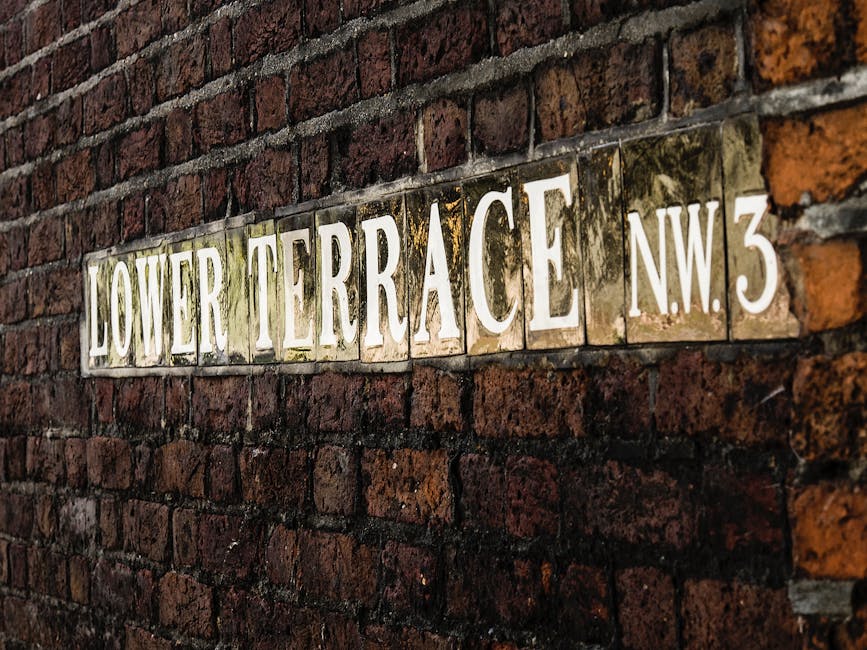
Moving in Belsize Park can feel deceptively straightforward until you meet a narrow turning, a busy school-run window, or a van that looks perfectly fine on paper but suddenly feels too large for the street. This Belsize Park removals guide NW3 Haverstock Hill access tips is here to help you plan the move properly, avoid the common access headaches, and make moving day feel a lot less chaotic. Whether you are in a top-floor flat, a family house, or an office close to Haverstock Hill, the details matter. They really do.
In this guide, you will get a practical view of how local access affects removals, what to check before booking, how to prepare your property, and which choices tend to work best in NW3. I will also cover mistakes people make when they underestimate local parking and building access. That part is usually where the stress starts.
If you are still comparing options, you may also find it useful to look at removals in Belsize Park, man with van support in Belsize Park, and packing and boxes for Belsize Park moves while you plan the basics.
Why Belsize Park removals guide NW3 Haverstock Hill access tips Matters
Belsize Park is one of those London areas where the moving job can be perfectly manageable one minute and surprisingly awkward the next. The issue is not just distance. It is access. Around NW3 and Haverstock Hill, you can run into restricted stopping space, tight roads, steep approaches, basement entries, and buildings where the lift is either small, busy, or not behaving itself. Classic London, in other words.
Why does that matter so much? Because access directly affects how long a move takes, what kind of vehicle will work, whether there is room to unload safely, and how much manual carrying is needed. If a crew has to park further away than planned, every box and piece of furniture has to travel that extra distance. That adds time, effort, and risk. No one wants a sofa balanced awkwardly on a pavement at 8:15 in the morning while someone searches for a parking bay.
This guide is especially useful if you are moving from a flat, a period conversion, or a property near busier stretches of Haverstock Hill. Those routes often involve a mixture of traffic, limited kerb space, and pedestrian flow that can turn a routine removal into a logistical puzzle. A bit of planning saves a lot of shouting later.
It also matters from a trust and planning perspective. A removal team that understands local access can advise on vehicle size, timing, packing order, and whether you should consider a smaller load run or short-term storage. If that sounds like overkill, it often is not. In our experience, the most calm moving days are the ones where the access questions were handled early.
How Belsize Park removals guide NW3 Haverstock Hill access tips Works
The simplest way to think about it is this: local access planning is the bridge between your inventory and the actual street outside your door. You first work out what needs to move, then you match that against the building layout, road conditions, and vehicle access. If those three things do not line up, the move becomes slower and more expensive.
A good removal plan for Haverstock Hill usually starts with the property type. A ground-floor flat with a direct entrance is a very different move from a third-floor apartment with a narrow staircase and no lift. The same goes for a house with a front drive versus one where loading happens from the roadside. Small differences, big impact.
Then there is the street itself. On some parts of NW3, the practical challenge is not the building, but the stopping position. Can the van pull up close enough? Is there room to open rear doors without blocking traffic? Is there a bay, a clear kerb, or only a short window for unloading? These questions shape the whole job.
The working method is usually straightforward:
- Assess the property access from both ends of the move.
- Estimate furniture volume and box count honestly, not wishfully.
- Choose the right vehicle and crew size for the route.
- Plan timing around traffic, school runs, and building restrictions.
- Protect floors, doors, and fragile items before anything starts moving.
That final step gets overlooked a lot. But then the hallway gets scuffed, the banister gets clipped, and suddenly everyone is talking about an accident that could have been avoided with a few extra minutes of prep. Annoying, and entirely preventable.
If you want broader support with route planning and job sizing, the services overview and removal services in Belsize Park pages are useful background reading before you decide what level of help you need.
Key Benefits and Practical Advantages
When access is planned properly, the benefits show up in very ordinary ways: less lifting, less waiting, fewer surprises, and a more efficient unload. That may sound simple, but in a dense London location, simple is valuable.
- Less downtime on moving day: the van arrives where it can actually work, rather than circling for a half hour.
- Lower risk of damage: fewer awkward carries mean less chance of knocking walls, doors, or furniture corners.
- Better cost control: efficient access can reduce unnecessary labour time.
- Less stress for you: when the plan is clear, the day feels much less random.
- Safer handling of bulky items: especially useful for wardrobes, white goods, and awkward sofas.
There is also a quieter benefit: confidence. People often underestimate how much calmer they feel when they know the driver has a plan, the route is sensible, and the entrance point has been checked. You do not spend the day wondering whether the van will fit or whether someone forgot to mention the low arch at the back of the building. That peace of mind counts for a lot.
For specific property types, the benefits become even clearer. Flat residents often benefit from a tighter packing and moving sequence, while house movers usually need better vehicle positioning and a more deliberate loading order. If that sounds familiar, flat removals in Belsize Park and house removals in Belsize Park can help you think through the right approach.
Who This Is For and When It Makes Sense
This guide is for anyone moving in or around Belsize Park who wants to avoid a messy, underplanned move. That includes renters, homeowners, students, landlords arranging tenant changes, and office managers trying to coordinate a relatively painless business move. Truth be told, it is relevant to most people moving within NW3.
It makes particular sense if any of the following apply:
- You live on or near Haverstock Hill and expect traffic or stopping restrictions.
- Your building has limited lift access or a narrow staircase.
- You are moving larger furniture or fragile items.
- You need a same-day or short-notice move.
- You are moving into a flat conversion where access details are not obvious from the street.
Students often find this useful too, especially when moving between term-time accommodation and storage. For them, smaller loads and quicker turnaround matter more than a full household move. If that is your situation, take a look at student removals in Belsize Park and storage in Belsize Park.
It also makes sense if you are doing a staged move. For example, some people shift boxes first, then furniture, then the last awkward few items after cleaning or decorating. That can be a smart way to work around access limits, especially in a street where a van cannot stay put for long.
Step-by-Step Guidance
1) Measure the access, not just the rooms
Start with the basics. Measure door widths, stair turns, lift dimensions, and the distance from the property entrance to the nearest practical parking point. If you have a sofa, fridge, or king-size bed frame, check the item against the narrowest route. That sounds obvious, yet people skip it all the time. Then they discover the issue on moving day. Not ideal.
2) Work out the street-side loading plan
Before booking, decide where the van is most likely to stop. Haverstock Hill can be busy, so the plan may need a little flexibility. Ask yourself: can the vehicle wait safely? Is there enough space for a tail lift or rear unloading? Are there time restrictions that affect when you should arrive?
3) Choose the right scale of move
Not every move needs a large removal van. Sometimes a smaller vehicle or a man and van in Belsize Park is the smarter option, especially where access is tight or the load is modest. For bulkier jobs, a larger van or full removal team may be more efficient. It depends on the job, not the hype.
4) Pack in access-friendly order
Pack the items you will need first last. Keep essentials separate. Group awkward items together and label fragile boxes clearly. If your building has a narrow stairwell, prepare for items that must be carried vertically or rotated. A bit of packing discipline makes the physical move much smoother.
5) Protect the route inside the property
Use floor runners, door protection, blankets, or corner guards where needed. Even short moves can cause wear and tear if the route is tight. This is particularly useful in older Belsize Park buildings where paintwork and stair edges can be more delicate than they look.
6) Build in time for delays
London timing is never perfect. You might hit a delivery lorry, a bin collection, or a neighbour who needs the one space you were relying on. Leave breathing room. A move at 9:00 rarely starts exactly at 9:00, and trying to force it usually makes everyone grumpier.
7) Confirm communication before the day
Make sure everyone knows the access details: door codes, parking notes, lift booking times, and any restrictions on estate roads or shared entrances. One missed note can create ten unnecessary phone calls. A proper moving briefing reduces that risk. If you are comparing providers, removal companies in Belsize Park is a sensible place to review your options.
Expert Tips for Better Results
Here is the practical stuff that tends to separate a smooth move from a frustrating one.
- Book around the street, not just the house. If Haverstock Hill is likely to be busier at certain times, work around that. Early starts often help.
- Do a quick recce the day before. Even a short walk past the property can reveal things maps do not show, like a tight bend or a blocked frontage.
- Keep your largest items first in the loading sequence. That makes the van use more efficient and can reduce repacking later.
- Label by room and priority. It sounds basic, but it saves real time when the team starts unloading.
- Tell the crew about difficult items early. Pianos, heavy mirrors, and antique cabinets need special handling, not a surprise halfway through the job.
One small but important point: if you are moving from a flat with stairs, do not assume every item will fit round the turns in one piece. People say, "It should be fine" right up until it is not. A little caution is cheaper than a rescue plan. To be fair, that is true for most things in removals.
For heavier or more delicate belongings, it can be worth reviewing furniture removals in Belsize Park or piano removals in Belsize Park if those items are part of your move. Not every job needs specialist help, but some do. Better to be honest about that early.
Common Mistakes to Avoid
The most common mistake is assuming access will work itself out. It usually does not. If anything, access problems get bigger when they are left vague.
- Not checking parking rules or stopping space: this can create delays before unloading even starts.
- Underestimating box volume: the van fills up faster than people expect, especially with soft furnishings and kitchen items.
- Ignoring internal access: narrow staircases matter just as much as street access.
- Forgetting building management requirements: lifts, loading bays, and move-in windows can be more restrictive than you think.
- Packing fragile items loosely: access challenges and loose packing are a bad combination.
- Leaving everything for the final morning: this is the classic one. It turns a manageable move into a scramble.
Another issue is booking the wrong type of help. A small job can be over-serviced, which wastes money. A larger, awkward move can be under-serviced, which causes delays and strain. The sweet spot is choosing the right support for your actual circumstances, not the idealised version of them.
If you need a faster turnaround, same-day removals in Belsize Park may be worth considering, but only if you have already sorted the access essentials. Speed is useful. Rushed chaos is not.
Tools, Resources and Recommendations
You do not need fancy equipment to organise a good move, but a few practical tools make a real difference.
- Measuring tape: for doorways, stairs, lifts, and large furniture.
- Sticky labels or marker pens: for box rooms and priority notes.
- Furniture blankets and wraps: useful for protecting corners and polished surfaces.
- Floor protection: especially important in older properties.
- Box cutters, tape, and straps: basic, but indispensable.
- A simple inventory list: helps you keep track of what is leaving, what stays, and what goes into storage.
On the planning side, you may also find these pages helpful while deciding what level of support you need: removal van options in Belsize Park, man and a van in Belsize Park, and office removals in Belsize Park if your move is commercial rather than domestic.
If your move is partly about decluttering, or you are trying to reduce load before a property sale, consider whether storage will make the whole process cleaner. People often keep too much on the move day because they are emotionally attached to items they are not actually ready to place in the new home. Happens all the time. A bit of storage can be the breathing room you need.
Law, Compliance, Standards, or Best Practice
This type of move does not usually involve complex regulation for the customer, but there are still important standards and best practices worth respecting. For example, movers should work safely around lifts, stairs, entrances, and public highways. Where a vehicle needs to stop or load in a public street, it should be done with care and in line with local restrictions.
Building rules matter too. Many flats and managed properties in London have specific move-in or move-out windows, lift booking procedures, or requirements for floor protection. If you are in a managed block, confirm those details early. It is a small admin task that can save a major headache later.
On the business side, a reputable removal provider should have sensible handling practices, insurance awareness, and clear terms about what is covered, what is not, and how claims or complaints are handled. You do not need a legal lecture, just clear information before the van turns up.
If you want to understand the company's approach to safety and responsibility, the following pages may help: insurance and safety, health and safety policy, and terms and conditions. They are worth a look before you commit to anything.
There is also a practical sustainability angle. Reducing wasted trips, reusing boxes where possible, and choosing the right vehicle size can all make a move more efficient. If that matters to you, recycling and sustainability is worth reading as part of your planning.
Options, Methods, or Comparison Table
Different moves need different levels of support. The table below gives a simple way to compare common approaches for Belsize Park and NW3 access conditions.
| Option | Best for | Access fit | Typical advantage | Watch out for |
|---|---|---|---|---|
| Man and van | Small loads, single flats, light moves | Good for tight streets and quicker stops | Flexible and often efficient | May be too small for full-house contents |
| Removal van with team | Medium to larger domestic moves | Works well when loading space is planned carefully | More handling support and structure | Needs better parking coordination |
| Full removal service | Complex, larger, or multi-room moves | Best when access is tricky and timing matters | Less pressure on you on the day | Usually not necessary for small jobs |
| Split move with storage | Staged move, decluttering, renovation periods | Useful when access or timing is awkward | Reduces load pressure | Requires more planning and coordination |
In practice, the right option often comes down to volume and access. If you are unsure, start with the most honest description of your property, then let the move size follow from that. Not the other way around.
Case Study or Real-World Example
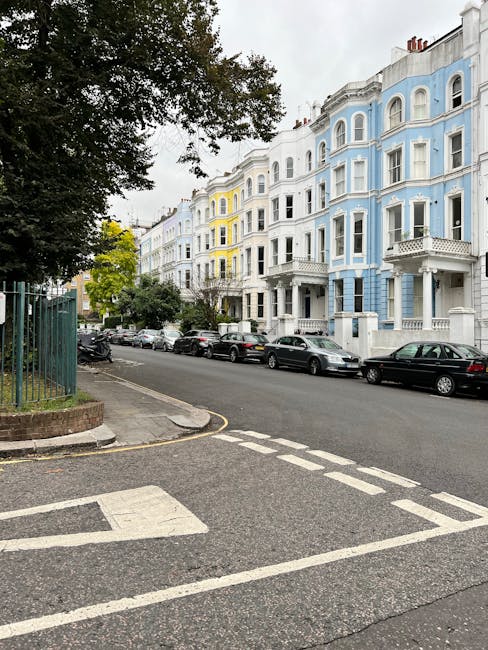
Picture a typical move near Haverstock Hill: a two-bedroom flat on an upper floor, a narrow communal staircase, one large sofa, a dining table, and a couple of awkward wardrobes. The customer initially assumes a standard van will do it in one trip. Fair enough. That is a common assumption.
But the access changes the picture. The building entrance is slightly set back, the street is busy at the usual moving time, and the stairwell has a turn that makes one wardrobe a two-person carry. Instead of forcing a one-size-fits-all approach, the better plan is to schedule an earlier arrival, use a vehicle that can stop efficiently, and load the most cumbersome items first. Boxes go in around the furniture rather than after it. Simple, but effective.
The move ends up calmer because the planning matched the environment. No one is rushing the last item out while the driver is trying to keep clear of traffic. No one is guessing whether a sofa will fit through the stair bend. And the customer gets to walk into the new place without that horrible feeling that the whole day has been one long recovery exercise.
That is the real value of access planning. It turns a moving day from reactive to managed. Not perfect, mind you. Just properly handled.
Practical Checklist
Use this checklist before your move. It is short, but it covers the important bits.
- Measure large furniture and the narrowest access point.
- Confirm lift size, stair width, and any building restrictions.
- Check where the vehicle can stop safely near Haverstock Hill or your street.
- Ask about loading windows, permits, and access codes if relevant.
- Label boxes by room and priority.
- Separate fragile items and essentials.
- Protect floors, doors, and stair edges.
- Decide whether a small vehicle, a larger van, or a full team is the better fit.
- Set aside extra time for traffic and delays.
- Have the key contact details ready on the day.
Quick takeaway: in Belsize Park, access planning is not an extra step. It is the move. Get that right and the rest of the day feels much easier, honestly.
Conclusion
Belsize Park removals are rarely difficult because of the distance. They are difficult when access is left vague. Haverstock Hill, NW3 streets, flat conversions, and older buildings all reward careful planning. If you check the route, choose the right vehicle, and pack with access in mind, you will save time and avoid the usual moving-day drama.
The real secret is to think like a local: not just "Can we move this?" but "How will we move this comfortably, safely, and without blocking the whole street?" That shift in thinking makes a bigger difference than most people realise.
If you are preparing a move and want a more tailored discussion, you can also review the wider about us information, or browse pricing and quotes when you are ready to compare options. The aim is simple enough: make the move feel manageable, even on a busy London street.
Get a free quote today and see how much you can save.
And if you are still in the planning stage, take a breath. A well-prepared move has a way of feeling easier than you expected once the first box is in the van.


